A strong and reliable WiFi signal is now essential in the digital age. It is essential for productivity and connectivity. Properly positioning Wireless Access Points is essential in achieving this. The position of your WAP greatly influences the quality and stability of your WiFi signal so it’s crucial to locate it in a way that is effective. We’ll explore WAP devices and find out how to select the best access point at home for the best wireless connectivity.
The Wap Wireless Access Point is a critical networking device that allows wireless-enabled devices to connect with a wired network using WiFi or other related standards. It is a crucial component in extending the range of your network, and removing the need for bulky wires. A WAP receives information from a network router via an Ethernet cable, and converts it into an electronic signal. This signal can be detected by WAP devices, which provide them with network connectivity. For more information, click WAP Wireless Access Point
The impact of WAP placement
A WAP must be strategically placed to provide a strong and reliable WiFi network throughout your area. The positioning of the WAP can affect the performance, range and signal strength of your WiFi network. Putting the wireless access point in the best location can aid in reducing interference, and improve coverage while improving connectivity for users.
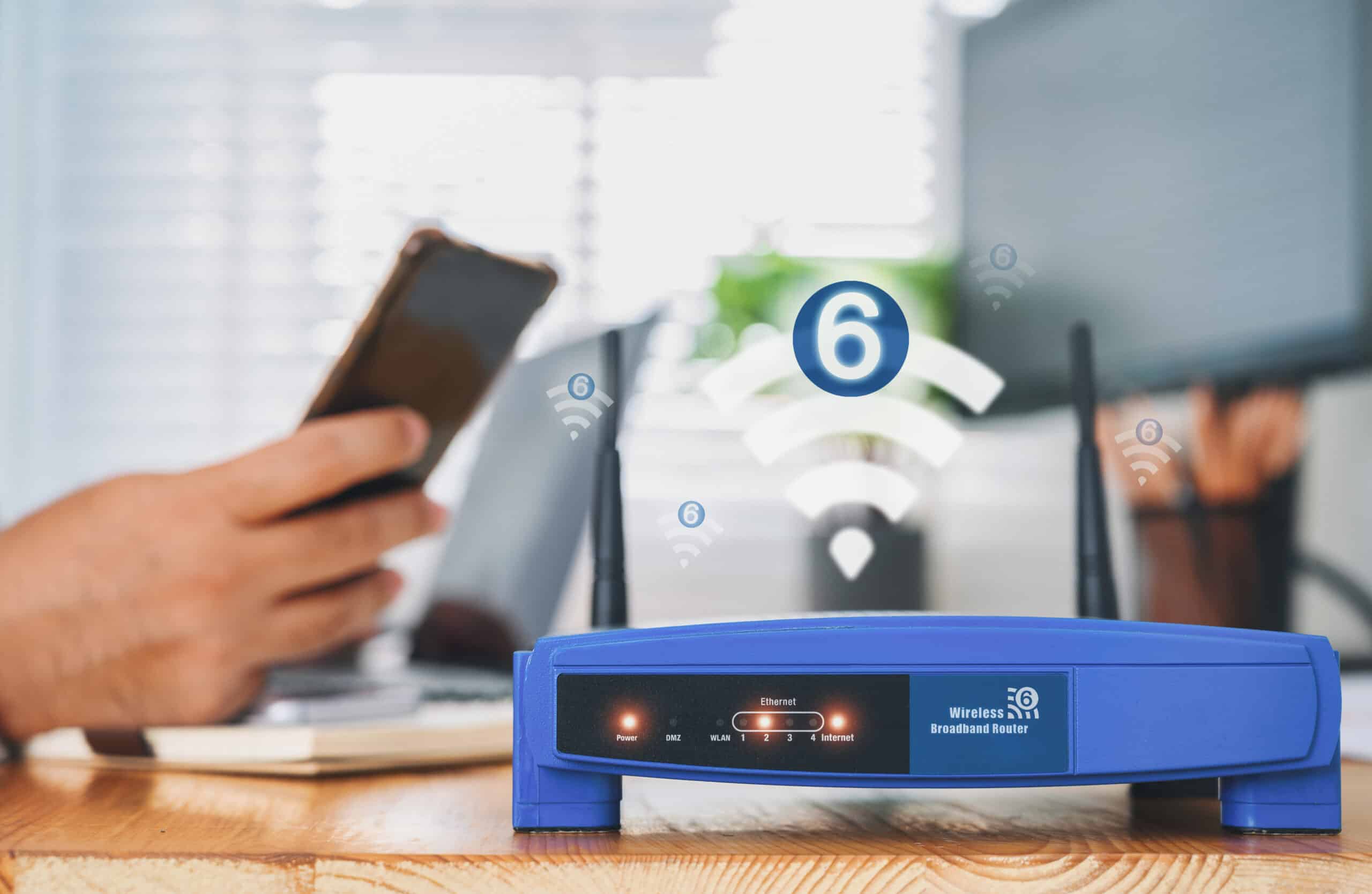
Factors that influence the strength of WAP’s signal
Many factors affect the information that a WAP sends to your devices. These include:
Signal strength is the potency of signals that are transmitted by WAP.
Range: The length of time that the WAP is able to transmit a stable and strong signal.
Interference The presence of any obstructions or electronic devices which could interfere with WiFi.
Find the Best Home Access Point
The correct WAP is vital for a high-performance WiFi network in your office or at home. Take into consideration these aspects when selecting the best access point for your home:
Signal Range and Strength: Look for a WiFi that has strong signal strength as well as an extensive coverage range. This ensures that your WiFi signal is accessible to the area you wish to access without dead spots.
Interference Management: Pick an WAP with features that reduce interference. Triple-band or dual-band technology can be utilized to navigate WiFi channels that are congested.
Simple setup and configuration – Select a WAP that is easy to set up and configure. Simplified installation processes and intuitive interfaces will save you time and energy.
Security Features: Prioritize applications with strong security features, such as encryption protocols and security settings. This helps in safeguarding your network and data.
Scalability: Ensure your WAP can manage the amount of devices that you intend to connect. A WAP that is scalable grows in line with the demands of your network, making it a future-proof investment.
Optimising WAP placement for maximum performance
Central Location: Install the WAP at an central location to ensure an even coverage of WiFi throughout the area. This reduces dead zones while ensuring a constant connection across the entire area.
Elevation: Mount the WAP on a higher surface like a ceiling or wall. This will help to broadcast the signal more efficiently while also enhancing coverage. eliminate obstructions.
Avoiding Interference – Keep the WAP far away from any devices or materials that could cause interference. Examples include microwaves, cordless phones and structures made of metal. This will ensure a strong WiFi signal.
Professional Assessment: Meet with IT professionals to conduct a thorough assessment of your space. They can help you determine the most suitable locations for WAP placement according to your particular requirements.
We also have a conclusion.
In today’s world of ever-changing technology, having an effective WiFi connection is non-negotiable. Wireless Access Points (WAPs) are essential to ensuring this by extending the reach of your network and providing reliable WiFi signals. Strategically placing your WAP and choosing the right wireless access point is one of the key factors to ensure optimal WiFi performance.
The improvement you can achieve by taking the time to evaluate your WiFi network, be aware of aspects that affect the strength of your WAP signal, and consider the essential characteristics of a wireless access point is crucial. The potential of your WiFi network by gaining a thorough understanding of the art and science behind WAP positioning.