Banking technology has helped automate much of the bookkeeping However, anyone who has to work in the field of financial records is aware that automation isn’t 100% perfect. If the feeds from banks aren’t functioning properly, and the historical transactions might not be accessible, and clients could still send statements in PDF format. Someone has to transform a document meant to be read by the data which accounting software actually uses.
Converting bank statements will help you save time by making the process easier. Instead of entering manually dates and descriptions, withdraws, and deposits row-by-row, Docubrew converts statement information into structured spreadsheet-ready data.
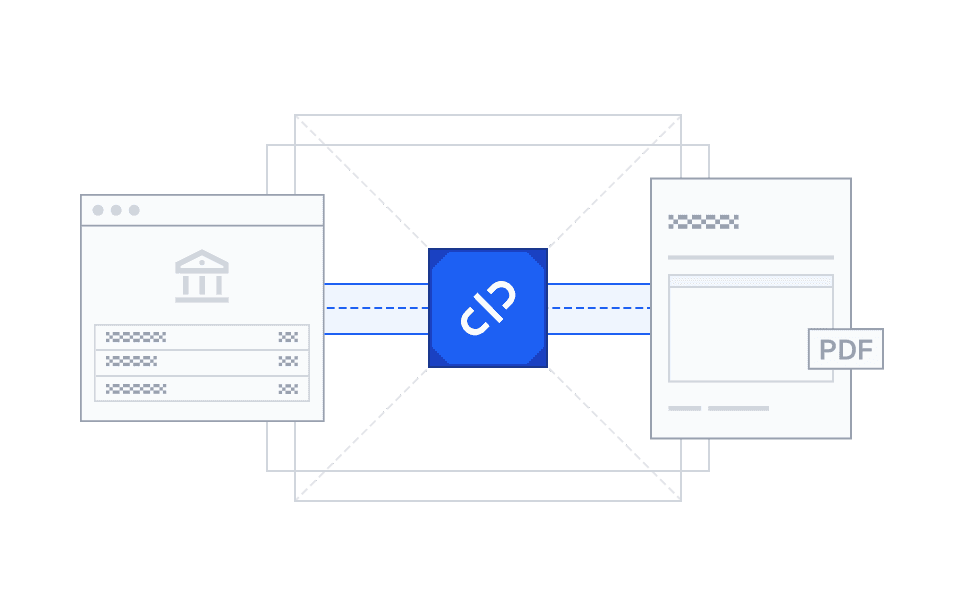
Image credit: docubrew.com
When a PDF is deemed to be the missing piece
Imagine a bookkeeper preparing the year-end reconciliation for new customers. The accounting software shows the most recent transactions, but some of the older years were left out. The client had downloaded the PDF original statements.
In the past, re-creating the months of those years would have required long hours of copying and paste numbers into spreadsheets. A PDF bank statement that is converted to Excel workflow is a practical alternative. Docubrew can extract information about transactions from digital PDFs and scan bank statements printed on paper.
For professionals who often need to move a bank statement to Excel, reducing manual transcription can also eliminate an unnecessary opportunity for mistakes in typing.
Keep the Pages That Actually Count
Bank statements don’t consist solely of transactions. A 12-page statement might include a brief description of the account including disclosures, notices and statements and a few pages of information about the actual bank activities.
Docubrew allows users to preview the document and select the appropriate pages prior to conversion. This allows users for bank statements to be converted to Excel without adding unrelated statements contents into the working data.
Once processed, the resulting file can be opened in Excel or prepared for use using accounting software such as QuickBooks, Xero, and FreshBooks.
CSV Offers a Flexible Accounting Workflow
CSV is popular because spreadsheets, databases and accounting software are compatible with it. If you need a bank statement to CSV, Docubrew produces structured output based on the transaction table contained in the statement.
This same process is used by firms to convert bank statements into CSV. It is useful whether making historical records from scratch, handling cleaning projects for new clients, analyzing missing transactions, or compiling data in preparation for reconciliation.
Accounting firms that must manage clients with multiple statements may benefit from batch processing.
Financial documents require careful privacy protections
It’s not the only thing to think about when processing financial records. Bank statements could contain sensitive client data therefore bookkeepers and accountants might also be concerned about the location where processing occurs.
Docubrew gives two choices. Windows desktop application converts files locally, on the user’s computer. For those who prefer to work with browsers can opt for the encrypted cloud version, where uploaded files are completely deleted after 24 hours.
The platform may range from Excel software to bank statements based solely on remote processing.
Turning Document Archives Back Into Working Data
While PDF statements are excellent documents, they’re not ideal to utilize when transactions have to be reconciled or sorted. They can’t also be used to import, filter, or re-organize, etc. Scanned files can pose problematic because the information about transactions can only be available as a picture.
Docubrew offers statement parsing in conjunction with OCR support for documents scanned that give bookkeepers, accountants and companies a practical route from archived financial paperwork to usable transaction information.
This simple fix can speed up a tedious workflow by retaining the original bank statement, while converting its transaction table to data you can use.