It was anything but tranquil when Megalodon’s molar was first discovered. The tooth was the biggest predatory fish that could ever be seen in the oceans. The tooth slid off. That’s it for the majority of items. For a fossil, it can be the beginning of a new story.
Fossil Driven offers specimens which have passed through geological processes, not in years or centuries rather in millions. Understanding that journey changes the perception of viewing a fossil. You’re no longer simply looking at an intriguing object. You’re witnessing physical evidence from an era long gone.
First Station: An Ancient Ocean
Consider the Megalodon the molars in West Java, Indonesia. Around 20 million year ago warmer marine habitats were widespread in the dry areas that exist today. Megalodon sharks were a common sight in these prehistoric waters alongside countless other forms of marine life.
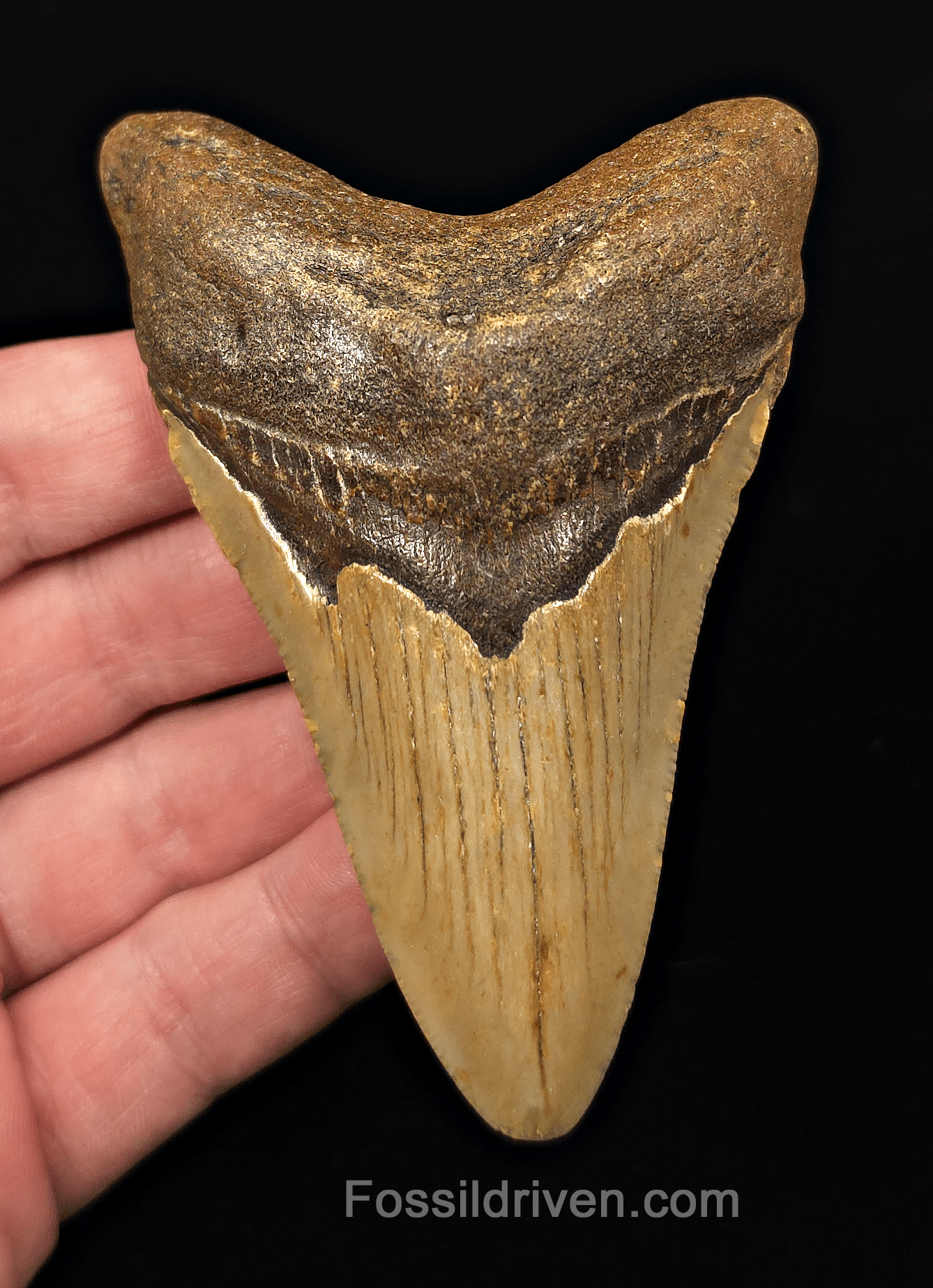
Image credit: fossildriven.com
Megalodon also produced and shed teeth in a manner similar to modern sharks. Some of the teeth found their way into marine sediments. In the right conditions burial, they could be protected until they are fossilized.
Then, Geology took over
The next chapter was incredibly slow. Sediments formed. Minerals interacted with each other and submerged material. Geological forces changed landscapes, and areas that had previously was underwater became part of the land we recognize today. Those processes help explain something shoppers immediately notice when looking at megalodon teeth for sale: genuine fossil teeth can have dramatically different colors.
Indonesian specimens that are found in the West Java’s Miocene Bentang Formation are typically yellow, golden, brown and red, as well as blue or black. Many exhibit different shades on one tooth. The surrounding minerals can affect the appearance of a fossil when it is buried for a prolonged period of time. It is difficult to achieve the result in large amounts by natural methods. Each fossil has its own geological background.
Discovery begins a new chapter
A fossil which was hidden for millions of years, is finally recovered. Documentation and identification are now important.
Collectors don’t only look at the appearance of megalodon tooth teeth when they hunt for them. The information about the locality and age of the geological formation preservation, repairs, and restoration can assist in understanding what collectors are actually studying.
Natural wear won’t remove the fossil’s history. A worn tip, imperfect tooth, or even a missing serration can simply be part of the process that happened to this fossil prior to and after burial. It is important to accurately reflect the condition of the item.
Fossil Driven has more than 13 years of experience in fossil identification. We work in partnership with well-established suppliers and fossil hunters. Where possible, fossils are described and reviewed with all the relevant information.
At some point, the Fossil Reaches Someone’s Hands
Real Fossils are bought for a variety of different reasons. Some people build a carefully organized collection. Some want to create an impressive conversation piece. A child who is interested in the prehistoric animals could be gifted the first fossil of its kind that inspires them to study paleontology.
Megalodons is just one of the many ways which lead to the present. Trilobites, dinosaur molars, and ammonites are among the many fossils which preserve Earth’s ancient past.
The most satisfying thing is knowing that it’s real
A replica can recreate the basic shape of a tooth from the past. The replica is not able recreate its story. The Megalodon teeth were discovered in animals from the past that lived in a totally different habitat like the one we have nowadays. They survived geological changes, were buried for many thousands of years before being discovered.
This is the reason that authenticity is vital. You hold a fossil that has completed a truly amazing trip through time. The display case is its latest stop.